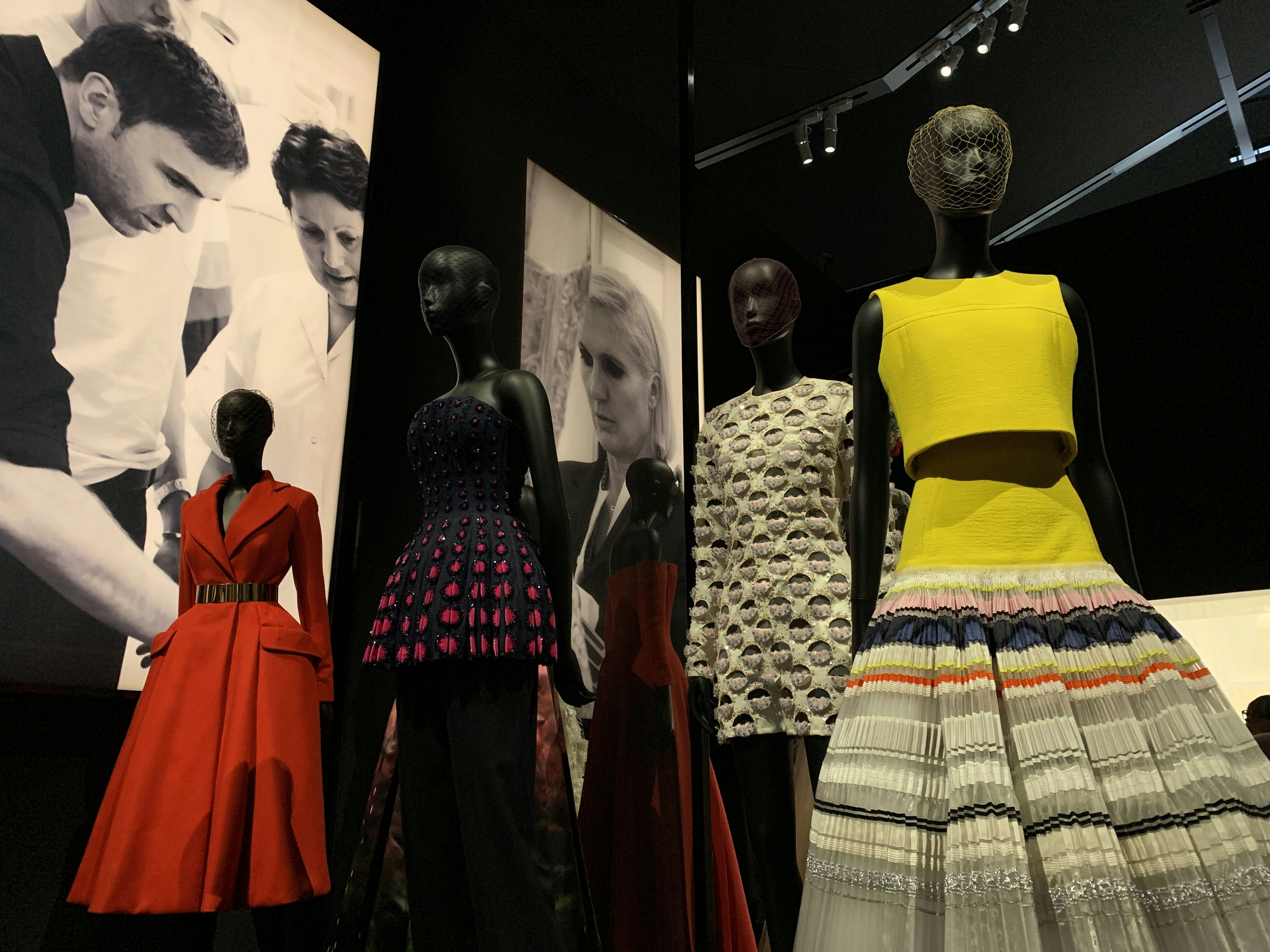
Introduction to Fashion Trends
Fashion is a constantly evolving landscape that reflects culture, art, and personal expression. Particularly within the domain of ladies’ dresses, the trends can shift significantly with each season, influenced by various factors such as celebrity styles, runway shows, and social media platforms. Staying updated with these trends is essential for anyone passionate about fashion, as it not only enhances individual style but also fosters an understanding of the larger context in which fashion operates.
The variety of styles available in ladies’ dresses is vast, ranging from timeless classics to modern, avant-garde designs. Current trends showcase a mix of bold prints, vibrant colors, and unique silhouettes, making it easier for individuals to find styles that resonate with their personal aesthetics. Additionally, the material used for dresses plays an integral role in both comfort and visual appeal. Cotton, silk, velvet, and sustainable fabrics are some of the popular choices seen in contemporary fashion, each bringing distinct characteristics to the overall design.
Moreover, understanding the significance of the materials used in dresses can greatly impact fashion choices. Sustainable fashion has been gaining traction, promoting the use of eco-friendly materials and encouraging consumers to make choices that are not only stylish but also environmentally responsible. As trends continue to evolve, they bring a fresh perspective on how materials can be integrated into everyday fashion, further enriching the world of ladies’ dresses.
Types of Ladies’ Dresses
When it comes to ladies’ dresses, the variety available can be overwhelming. Different types serve distinct purposes and occasions, ensuring that women can express their personal style while feeling comfortable and appropriately dressed. The main categories of ladies’ dresses include casual, formal, cocktail, and evening wear.
Casual dresses are designed for everyday wear. They typically boast comfortable fabrics and playful designs, making them perfect for casual outings, errands, or gathering with friends. Popular styles under this category include sundresses, shift dresses, and maxi dresses. These dresses are versatile and can be accessorized for a laid-back or slightly more polished look, depending on the occasion.
Formal dresses are reserved for events that require a more sophisticated and elegant appearance. Commonly made from luxurious materials like silk or chiffon, these dresses tend to feature intricate details such as lace, embroidery, or embellishments. Formal dresses usually come in longer lengths and are suited for weddings, corporate events, or galas. A-line, ball gown, and sheath dresses are examples that fit well into this category, each offering a unique silhouette that enhances the wearer’s figure.
Cocktail dresses sit between casual and formal attire, making them appropriate for semi-formal events. They are typically knee-length and crafted from colorful, festive fabrics, allowing for a playful yet chic appearance. Cocktail dresses are ideal for parties, cocktail hours, or celebrations where a touch of glamour is desired without being overly formal.
Lastly, evening wear comprises dresses specifically designed for more formal nighttime occasions. These gowns often feature elegant designs that may include elements like deep necklines, high slits, or dramatic trains. Evening wear is meant to make a statement and is perfect for charity balls, formal dinners, or opera events.
Understanding Dress Materials
When it comes to ladies’ dresses, the choice of material is paramount, as it dictates not only the overall aesthetic but also the wearer’s comfort. Among the most popular fabrics used in ladies’ dresses are cotton, silk, polyester, and lace, each possessing distinct characteristics.
Cotton is a quintessential fabric known for its breathability and softness. It is ideal for casual wear and summer dresses as it allows for proper airflow, making it comfortable on warm days. Additionally, cotton dresses are easy to care for and can be machine washed, adding to their appeal for everyday use.
Silk, on the other hand, exudes luxury and elegance. This natural fiber is renowned for its smooth texture and beautiful drape. Silk dresses tend to be favored for formal events due to their glossy finish and ability to hold vibrant colors. However, silk requires more careful maintenance, as it is sensitive to heat and can be prone to wrinkles.
Polyester is a synthetic fabric that offers durability and wrinkle resistance, making it a popular choice for dresses that need to withstand regular wear. Polyester dresses can also mimic the qualities of natural fabrics, such as silk and cotton, making them versatile in terms of style and occasion.
Lace is often used as an accent material, adding a touch of romantic flair to dresses. Whether used as an overlay or for detailing, lace can elevate a simple dress into something truly special. However, it is important to consider the lining and fit, as lace can sometimes be less forgiving in terms of comfort.
Ultimately, the selection of dress material depends on the desired look, the occasion, and personal comfort. Understanding the qualities and care requirements of each fabric will enable you to make informed choices, ensuring that your outfit not only looks good but feels good too.
Color and Pattern Trends for Dresses
In the realm of ladies’ dresses, color and pattern play a pivotal role in not only defining personal style but also impacting emotional responses. Currently, soft pastels and vibrant jewel tones are making waves in the fashion industry. Colors like lavender, sky blue, and blush are particularly favored for spring and summer, offering a sense of freshness and optimism. Conversely, deeper tones such as emerald green, royal blue, and burgundy create a sense of intimacy and confidence, ideal for fall and winter occasions.
Patterns, too, are crucial in shaping a dress’s aesthetic appeal. Floral prints continue to be a staple, bringing a timeless appeal for both casual and formal wear. Geometric shapes and abstract designs are trending as well, often used to convey modernity. Stripes and polka dots have also made a comeback, providing versatility across various styles of dresses.
The choice of color and pattern in dresses extends beyond mere aesthetics; it significantly affects the wearer’s mood and how they are perceived by others. For instance, wearing vibrant colors can evoke feelings of joy and confidence, while softer shades are often associated with calmness and approachability. This interaction between color and emotion highlights the importance of thoughtful selection when choosing a dress.
When it comes to accessorizing, one should consider spatial harmony by coordinating accessories with the chosen colors and patterns of the dress. Neutral accessories can balance bold patterns, while complementary colors enhance a monochromatic dress. Additionally, seasonal considerations are imperative; lighter fabrics and bright colors are typically suited for warmer months, while richer hues and heavier materials resonate well during cooler seasons. Understanding these trends ensures that one’s dress not only aligns with current fashions but also radiates personal style and intention.
Fashion Tips for Every Body Type
Understanding your body type is essential for selecting dresses that enhance your silhouette and boost your confidence. Each body type has its unique characteristics, which can be flattered by specific dress styles and cuts.
For those with an hourglass figure, dresses that highlight the waist are ideal. Opt for fitted styles, such as wrap dresses or belted silhouettes, which accentuate curves and create an appealing shape. A-line and mermaid styles can also enhance this figure, providing a balanced look that celebrates natural curves.
If you have a pear-shaped body, aim to draw attention to the upper body while minimizing the lower half. A-line dresses or styles with embellished shoulders can create an even look. Experiment with prints and brighter colors on top; this tactic not only showcases your upper body but also balances proportions. Off-the-shoulder or boat necklines work well to accentuate the collarbone and give an illusion of broader shoulders.
For the athletic body type, dresses with soft textures and curves can create a more feminine silhouette. Consider styles that include ruffles, flared skirts, or asymmetrical details. Peplum dresses can also add the desired volume at the hips, making your frame appear curvier.
Those with an apple-shaped body often carry weight around the midsection. Opt for dresses that flow away from the body, such as empire waist dresses or A-line styles, which offer a comfortable yet stylish fit. Emphasizing legs with shorter hemlines can also be a great way to create balance and focus away from the midsection.
Ultimately, the key is to wear what feels comfortable and expresses your personality. While these tips provide a guide for choosing the right dress styles, experimenting with different cuts and materials can lead to discovering what truly resonates with you. Each body shape is unique, and celebrating that individuality is the essence of fashion.
Accessorizing Dresses: The Perfect Pairings
Accessories play a pivotal role in enhancing the overall look of dresses, transforming a simple outfit into a striking ensemble. The right combinations not only emphasize the design of the dress but also express individuality and style. Understanding the best accessories to pair with various dress styles is essential for achieving a polished and fashionable appearance.
For casual daytime dresses, such as sundresses or shirt dresses, consider complementing them with understated accessories. Lightweight bracelets, simple hoop earrings, and a crossbody bag work perfectly to maintain a relaxed yet stylish look. Footwear, such as espadrilles or flat sandals, can add a chic touch without overpowering the ensemble.
For more formal dresses, such as evening gowns or cocktail dresses, the accessory game changes significantly. Statement pieces like chandelier earrings and bold bangles can add elegance and sophistication. A clutch or an elegant handbag enhances the refined nature of evening wear while choosing the right footwear, such as heels that match the dress, can elevate the entire outfit. The color and material of the accessories should harmonize with the dress to create a cohesive look.
When it comes to office wear, opt for accessories that balance professionalism with style. A structured handbag and delicate silver or gold jewelry can enhance the polished appearance of a tailored dress. Classic pumps or loafers should be worn to maintain a business-appropriate look while still embodying personal style.
In conclusion, accessorizing dresses effectively requires an understanding of the dress style, occasion, and personal aesthetic. Selecting the right jewelry, bags, and footwear can greatly enhance any outfit, creating a look that is both stylish and sophisticated. Knowing how to pair these elements together allows for versatility and expression in any wardrobe.
The fashion industry has seen a significant shift towards sustainability, particularly in the realm of ladies’ dresses. This evolution is crucial not only for the environment but also for the awareness of consumers who are becoming increasingly conscious of their purchasing choices. Sustainable fashion choices reflect a commitment to reducing the environmental impact associated with clothing production and consumption.
Eco-friendly materials play a vital role in this transformation. Fabrics such as organic cotton, Tencel, and bamboo are becoming popular alternatives to conventional textiles, as they are produced with fewer chemicals and have a lower ecological footprint. These materials not only benefit the environment but often provide a lightweight, breathable, and comfortable experience for the wearer. Moreover, innovative fabrics made from recycled plastics or upcycled textiles are emerging, showcasing how creativity can marry sustainability in fashion.
Several brands are leading the charge toward sustainable fashion, making it easier for consumers to make responsible choices. These companies prioritize ethical labor practices, utilize sustainable production methods, and often incorporate transparency into their business models. By choosing to support such brands, consumers can contribute to a more sustainable fashion landscape while enjoying stylish and environmentally friendly ladies’ dresses.
To make responsible clothing choices, consumers can consider strategies such as purchasing high-quality items that are designed to last, rather than fast fashion pieces that may quickly end up in landfills. Additionally, shopping second-hand or participating in clothing swaps can further reduce one’s ecological footprint. By embracing a mindset of durability over disposability, individuals can positively impact the fashion industry and promote a culture of sustainability.
Fashion Icons Who Inspire Style
Throughout history, certain individuals have emerged as fashion icons, shaping trends and influencing the way women express their personal style through dresses and materials. These icons are not only recognized for their unique sartorial choices but also for their ability to reinvent themselves and resonate with the changing tides of fashion.
One of the most enduring icons is Audrey Hepburn, known for her impeccable taste and classic silhouettes. Her iconic little black dress in “Breakfast at Tiffany’s” continues to inspire modern designs and showcases the timeless appeal of simplicity. Hepburn’s style encourages women to prioritize elegance and comfort, making it possible to incorporate tailored pieces into their wardrobes for a polished look.
Another significant figure is Coco Chanel, whose revolutionary approach to women’s fashion transformed the industry. Chanel introduced the concept of casual elegance, integrating practicality with style. Her design philosophy emphasized the use of luxurious fabrics such as tweed and silk, promoting the idea that fashion should be both beautiful and functional. By incorporating elements of Chanel’s aesthetic, contemporary wardrobes can become a blend of sophistication and ease.
More recently, style icons like Rihanna have made significant contributions to fashion. Known for her bold and eclectic tastes, Rihanna pushes boundaries and redefines norms in both streetwear and haute couture. Her playful combinations and appreciation for diverse styles encourage women to experiment with their looks, suggesting that confidence is the ultimate accessory.
Incorporating elements of these fashion icons into everyday attire can enhance personal style. Whether it is adopting the classic elegance of Hepburn, the chic practicality of Chanel, or the daring creativity of Rihanna, women have a plethora of inspiration at their disposal to create a wardrobe that reflects their personality and flair.
Embrace Your Unique Style
Fashion serves as a powerful medium for personal expression, allowing individuals to showcase their unique identity through their choice of apparel, particularly ladies’ dresses. Throughout this guide, we have underscored the significance of understanding different materials, styles, and how these elements interact to create a distinct fashion statement. Recognizing that every dress tells a story empowers women to curate wardrobes that reflect their personality, mood, and life experiences.
As we have explored, the choice of material plays a crucial role in how a dress looks and feels. From the fluidity of silk to the sturdiness of denim, the versatility of fabrics offers an array of possibilities for every occasion. Additionally, understanding the fit and silhouette that complements individual body types is essential in selecting dresses that enhance one’s confidence. It is important to remember that there is no one-size-fits-all approach to fashion; rather, it is an inviting realm where personal preference and style harmonize.
Moreover, incorporating trends while remaining true to one’s identity can lead to an empowered fashion sense. By blending contemporary trends with timeless pieces, women can cultivate a wardrobe that not only celebrates individuality but also adapts to ever-changing styles. This balance fosters creativity in dressing, encouraging women to experiment and discover new facets of their style.
Ultimately, the core message of this guide is to embrace your unique style with confidence. Fashion is a journey and not a destination; every dress worn is an expression of who you are. With the knowledge acquired from this guide, we encourage readers to step outside their comfort zones and explore new styles, materials, and combinations. Allow your wardrobe to be a canvas through which you express your individuality, inspiring those around you in the process.